Découvrez l'avis sur Microsoft Band 2015. Comparez 171 caractéristiques techniques et avis des utilisateurs pour voir comment il se positionne parmi bracelets connectés et s'il vaut l'achat.
Score total
Qu’est-ce que c’est: Une évaluation globale de la qualité du bracelet d’activité, basée sur des analyses techniques et des avis d’utilisateurs.
Quand c’est important: Lorsque vous avez besoin d’un repère rapide pour identifier les meilleurs bracelets d’activité du marché.
Composants du score:
80.0%
Score technique
20.0%
Score des utilisateurs
Score technique
Qu’est-ce que c’est: Une évaluation des performances techniques du bracelet d’activité, couvrant huit domaines clés : suivi de la santé, fonctions sportives, connectivité, écran, batterie, fonctions intelligentes, design et application compagnon.
Quand c’est important: Lorsque vous souhaitez comparer des bracelets d’activité selon leurs performances techniques et leurs fonctions disponibles.
Composants du score:
20.0%
Sport et navigation
20.0%
Batterie
18.0%
Santé
18.0%
Ecran
8.0%
Fonctions intelligentes
8.0%
Appli et bien-être
4.0%
Connectivité
4.0%
Design et durabilité
Score des utilisateurs
Qu’est-ce que c’est: Une note qui combine les avis des utilisateurs et le nombre total d’avis reçus par le bracelet d’activité.
Quand c’est important: Lorsque vous voulez savoir comment un bracelet d’activité se comporte au quotidien et s’il reste fiable dans le temps selon les retours des utilisateurs.
Composants du score:
70.0%
Avis des utilisateurs
30.0%
Popularité

(Avis mis à jour: juin 2026)
Composants du score:
28.0%
Indice ATM
24.0%
Mode natation en eau libre
18.0%
Indice de profondeur de résistance à l'eau
15.0%
GPS
15.0%
Autonomie de la batterie
Composants du score:
30.0%
Autonomie de la batterie
25.0%
Poids
20.0%
Indice ATM
15.0%
Taille de l'écran
10.0%
Prix
Available: ranking among products currently available (including other versions of this product).
All: ranking among all products in the database.
#7 dans les Meilleurs bracelets connectés pour hommes
#10 dans les Bracelets connectés les plus précis
#14 dans les Meilleurs bracelets connectés avec GPS
#59 dans les Meilleurs bracelets connectés
Qu’est-ce que c’est: Une évaluation des performances techniques du bracelet d’activité, couvrant huit domaines clés : suivi de la santé, fonctions sportives, connectivité, écran, batterie, fonctions intelligentes, design et application compagnon.
Quand c’est important: Lorsque vous souhaitez comparer des bracelets d’activité selon leurs performances techniques et leurs fonctions disponibles.
Composants du score:
20.0%
Sport et navigation
20.0%
Batterie
18.0%
Santé
18.0%
Ecran
8.0%
Fonctions intelligentes
8.0%
Appli et bien-être
4.0%
Connectivité
4.0%
Design et durabilité
Qu’est-ce que c’est: Une note qui combine les avis des utilisateurs et le nombre total d’avis reçus par le bracelet d’activité.
Quand c’est important: Lorsque vous voulez savoir comment un bracelet d’activité se comporte au quotidien et s’il reste fiable dans le temps selon les retours des utilisateurs.
Composants du score:
70.0%
Avis des utilisateurs
30.0%
Popularité

(Avis mis à jour: juin 2026)
Qu’est-ce que c’est: Un indicateur qui combine la note globale du bracelet d’activité et son prix.
Quand c’est important: Lorsque vous recherchez un bracelet d’activité offrant un bon équilibre entre qualité et prix.
Composants du score:
60.0%
Score total
40.0%
Prix
Importance: ÉLEVÉE
Importance: MOYENNE
Importance: FAIBLE
Importance: FAIBLE
Importance: MOYENNE
Importance: FAIBLE
Importance: FAIBLE
Importance: FAIBLE
Importance: FAIBLE
Importance: FAIBLE
Importance: FAIBLE
Importance: FAIBLE
Importance: FAIBLE
Importance: FAIBLE
Importance: FAIBLE
Importance: ÉLEVÉE
Importance: FAIBLE
Importance: FAIBLE
Importance: FAIBLE
Importance: FAIBLE
Importance: FAIBLE
Importance: FAIBLE
Importance: FAIBLE
Importance: FAIBLE
Importance: FAIBLE
Importance: FAIBLE
Importance: FAIBLE
Importance: FAIBLE
Importance: FAIBLE
Importance: FAIBLE
Importance: FAIBLE
Importance: FAIBLE
Importance: FAIBLE
Importance: MOYENNE
Importance: MOYENNE
Importance: ÉLEVÉE
Importance: MOYENNE
Importance: FAIBLE
Importance: FAIBLE
Importance: FAIBLE
Importance: FAIBLE
Importance: FAIBLE
Importance: FAIBLE
Importance: FAIBLE
Importance: FAIBLE
Importance: FAIBLE
Importance: FAIBLE
Importance: FAIBLE
Importance: FAIBLE
Importance: FAIBLE
Importance: FAIBLE
Importance: FAIBLE
Importance: FAIBLE
Importance: FAIBLE
Importance: FAIBLE
Importance: FAIBLE
Importance: FAIBLE
Importance: FAIBLE
Importance: FAIBLE
Importance: FAIBLE
Importance: FAIBLE
Importance: MOYENNE
Importance: FAIBLE
Importance: FAIBLE
Importance: FAIBLE
Importance: FAIBLE
Importance: FAIBLE
Importance: FAIBLE
Importance: FAIBLE
Importance: FAIBLE
Importance: FAIBLE
Importance: FAIBLE
Importance: FAIBLE
Importance: FAIBLE
Importance: FAIBLE
Importance: FAIBLE
Importance: FAIBLE
Importance: FAIBLE
Importance: FAIBLE
Importance: FAIBLE
Importance: FAIBLE
Importance: FAIBLE
Importance: FAIBLE
Importance: FAIBLE
Importance: FAIBLE
Importance: FAIBLE
Importance: FAIBLE
Importance: FAIBLE
Importance: FAIBLE
Importance: FAIBLE
Importance: FAIBLE
Importance: FAIBLE
Importance: FAIBLE
Importance: FAIBLE
Importance: FAIBLE
Importance: FAIBLE
Importance: FAIBLE
Importance: FAIBLE
Importance: FAIBLE
Importance: FAIBLE
Importance: FAIBLE
Importance: FAIBLE
Importance: FAIBLE
Importance: FAIBLE
Importance: FAIBLE
Importance: FAIBLE
Importance: FAIBLE
Importance: FAIBLE
Importance: FAIBLE
Importance: FAIBLE
Importance: FAIBLE
Importance: FAIBLE
Valeur recommandée: >=5.0
Importance: FAIBLE
Valeur recommandée: >=10 m
Importance: FAIBLE
Importance: FAIBLE
Importance: FAIBLE
Importance: FAIBLE
Importance: FAIBLE
Importance: FAIBLE
Importance: FAIBLE
Importance: FAIBLE
Importance: ÉLEVÉE
Valeur recommandée: >5 jours
Importance: FAIBLE
Valeur recommandée: >=8 heures
Importance: FAIBLE
Importance: FAIBLE
Importance: MOYENNE
Valeur recommandée: >=100 mAh
Importance: FAIBLE
Importance: FAIBLE
Importance: FAIBLE
Importance: MOYENNE
Importance: FAIBLE
Importance: FAIBLE
Importance: FAIBLE
Importance: FAIBLE
Importance: FAIBLE
Importance: MOYENNE
Importance: MOYENNE
Importance: MOYENNE
Importance: FAIBLE
Valeur recommandée: >=280 ppi
Importance: FAIBLE
Importance: FAIBLE
Importance: FAIBLE
Importance: ÉLEVÉE
Valeur recommandée: >=450 nits
Importance: FAIBLE
Importance: FAIBLE
Importance: FAIBLE
Importance: FAIBLE
Importance: FAIBLE
Importance: FAIBLE
Importance: FAIBLE
Importance: FAIBLE
Importance: FAIBLE
Importance: FAIBLE
Importance: FAIBLE
Importance: FAIBLE
Importance: FAIBLE
Importance: FAIBLE
Importance: FAIBLE
Valeur recommandée: <10 mm
Importance: FAIBLE
Importance: FAIBLE
Valeur recommandée: <25 g
Importance: FAIBLE
Importance: FAIBLE
Importance: FAIBLE
Valeur recommandée: >=5 ATM
Importance: FAIBLE
Valeur recommandée: >=50 m
Importance: FAIBLE
Importance: FAIBLE
Importance: FAIBLE
Importance: FAIBLE
Importance: FAIBLE
Importance: FAIBLE
Importance: FAIBLE
Importance: FAIBLE
Importance: FAIBLE
Importance: FAIBLE
Importance: MOYENNE
Importance: FAIBLE
Importance: FAIBLE
Importance: FAIBLE
Importance: MOYENNE
Valeur recommandée: >=100 mAh
Importance: ÉLEVÉE
Valeur recommandée: >5 jours
Importance: MOYENNE
Importance: FAIBLE
Valeur recommandée: >=50 m
Importance: FAIBLE
Valeur recommandée: <25 g
Importance: FAIBLE
Valeur recommandée: >=5 ATM
Importance: FAIBLE
Valeur recommandée: >=8 heures
Importance: FAIBLE
(Avis mis à jour: juin 2026)
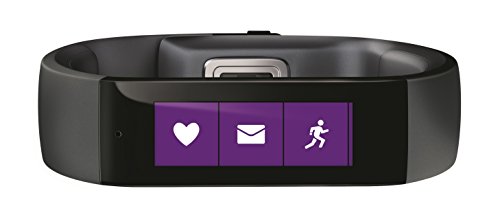
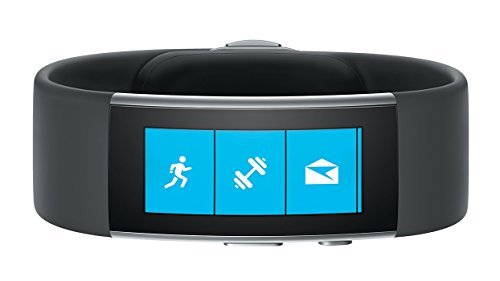
The Microsoft Band is a cross-platform fitness tracker and smartwatch hybrid designed to be worn innovatively with its flat, 320 x 106 resolution colour display facing on the inside of the wrist. Priced at £170 in the UK, its primary strength lies in its extensive array of nine built-in sensors—including an optical heart rate sensor, GPS, UV sensor, and galvanic skin response—which map out highly detailed health metrics such as sleep cycles, steps, and guided gym workouts. It integrates seamlessly with Windows Phone devices, featuring a side-swipeable interface with up to 13 customisable tiles for notifications and a microphone that allows users to trigger Cortana voice commands directly from their wrist. Despite its high-tech capabilities, the reviewer heavily critiques the device as a "version 1" prototype due to notable hardware and software flaws. On the downside, the screen is made of plain glass rather than Gorilla Glass, leading to visible scratches within just 72 hours of regular wear. Additionally, it lacks full waterproofing, carrying only an IPX7 water-resistant rating that forces users to remove it for showers. The accompanying Microsoft...
Conversely, the physical design is a major drawback, described as a stiff, unyielding, and highly unattractive "handcuff" that is uncomfortable to wear, especially while sleeping. Performance-wise, the tracker is weighed down by less-than-stellar heart rate accuracy that fails to satisfy elite athletes, slow GPS satellite lock-on times, and an excess of pointless hardware like dormant skin temperature and galvanic response sensors. Additionally, its extensive feature set limits the battery life to just two days, though this can be stretched to three or four days if you charge it daily during short morning routines and skip the uncomfortable sleep-tracking functionality altogether.
The Microsoft Band is described as a highly capable, feature-packed wearable with robust sensors—including accurate GPS and heart rate monitoring—alongside a stable cross-platform software ecosystem that supports Windows, iOS, and Android. Despite its $199 price point providing good value, the device suffers from a bulky, rigid design that fails to contour to the wrist, causing significant ergonomic issues during daily use.
The Trusted Reviews analysis of the Microsoft Band highlights a feature-rich, cross-platform health tracker boasting a sharp touchscreen, integrated GPS, and excellent value for fitness tracking, despite an underwhelming design. However, the device is criticized for being uncomfortable to wear due to its bulky, stiff, and flat construction that fails to conform to the wrist. While the sensor array and software offer high functionality, the poor physical wearability prevents it from being a top-tier product.
The Microsoft Band is a fitness-oriented wearable that doubles as a basic smartwatch, acting as a hardware showcase for Microsoft’s health platform. It stands out for its high density of body sensors, including an optical heart rate sensor, GPS, a UV radiation sensor, and a galvanic skin response sensor. Key pros highlighted in the review include its platform-agnostic syncing capabilities across Windows Phone, Android, iOS, Mac, and PC, alongside its capability for constant heart rate monitoring and guided workouts. The built-in GPS allows users to track runs without carrying a phone, and it successfully syncs data with third-party applications like MyFitnessPal and Runkeeper. However, the device suffers from several notable design and software drawbacks. On the hardware side, cons include a stiff, clunky rubber band that prevents the skin from breathing, a highly scratchable screen, and a proprietary magnetic charging port that traps dirt against the skin. The two-day battery life drains even faster when using GPS, and users run the risk of losing unsynced data if the battery dies completely. Additionally, the review heavily criticises the software for its...
The Microsoft Band is a highly customizable, data-dense wearable that serves as an activity tracker, smartwatch, GPS sports watch, and heart rate monitor all in one. It stands out as the only wearable capable of working across Windows Phone, iOS, and Android platforms. Its responsive touch display, accurate heart rate tracking, and specialized coached bodyweight workouts make it an excellent personal fitness companion, especially for frequent travelers. Users can heavily customize their experience by activating only the tiles they care about, such as fitness or social media notifications, and it even supports mobile payments at Starbucks directly from the wrist. However, the hardware sacrifices certain specialized capabilities to achieve this all-in-one functionality. While it boasts an exhaustive sensor suite and multi-platform support, its battery life drains rapidly when using GPS, depleting by nearly 50% during an eight-mile run, making it unsuitable for marathoners. Additional drawbacks include a proprietary charging cable, a plastic exterior prone to scratching without a screen protector, and limited dust and splash resistance. On the software side, it lacks desktop or browser access to sync full raw...
The Telegraph review describes the original Microsoft Band as a surprisingly good, comfortable hybrid device with excellent cross-platform compatibility and robust, detailed fitness tracking via integrated GPS and heart rate monitoring. Despite its utilitarian, less-than-appealing aesthetic, the device excels as a capable, reasonably priced alternative to dedicated running watches. However, the review highlights significant drawbacks, including a somewhat immature Microsoft Health app that struggles to present data effectively. Additionally, the device suffers from an awkward, unattractive design, with a horizontal screen orientation that makes reading data difficult while running.
Microsoft Band Review Summary The Microsoft Band is a highly capable but visually unappealing fitness tracker and notification system that struggles to balance advanced utility with everyday wearability. On the positive side, the device boasts an impressive array of 10 sensors—including built-in GPS, a heart-rate monitor, a skin temperature sensor, and a galvanic skin response sensor—which provide comprehensive health data across various activities like running and cycling. It is cross-platform compatible via the Microsoft Health app, offers simple physical control buttons, and features a bright color touchscreen that remains readable in most lighting conditions. Additionally, it provides a rugged, splash-proof build and a relatively low price point compared to contemporary smartwatches like the Apple Watch. However, the device is severely hindered by its "aggressively ugly" and rigid design, which sits awkwardly on the wrist like a manacle and makes it uncomfortable for daily wear outside of the gym. Its software and feature performance also present notable flaws; the notification system is obtuse and frustratingly fiddly to navigate on busy days. Furthermore, during heavy testing such as a marathon, the battery...
In a Wall Street Journal review, Joanna Stern outlines significant ergonomic and durability flaws in the first-generation Microsoft Band, describing its wide, flat design as awkward and highlighting that the bezel is highly susceptible to scratching. While the device includes a clever sliding metal clasp for a better fit, the hardware’s overall uncomfortable, rigid build is listed as a major drawback. Conversely, the device's software is a standout feature, with the Microsoft Health app praised for its intuitive, dynamic interface and superior data visualization compared to competitors. However, Stern concludes that these strengths are undermined by the hardware's poor design and questions regarding the reliability of its sensor data. WSJ
The Microsoft Band is reviewed by Samuel Gibbs as a highly accurate, sensor-packed fitness tracker that successfully undercuts major competitors like the Fitbit Surge in price, retailing at £170. It is heavily praised for its cross-platform compatibility with Android and iOS devices, alongside a robust and intuitive Microsoft Health app that provides highly detailed charts and overlays for effortless data tracking. The device features a strong list of pros, including a reliable three-day battery life (with continuous heart rate monitoring active), built-in GPS that eliminates the need to run with a smartphone, an excellent guided workout tile with rep-counting abilities, and a unique, easily adjustable sliding clasp mechanism. However, the tracker suffers from glaring hardware and software limitations that prevent it from being a perfect wearable. The cons highlighted in the review focus on its bulky, polarizing "industrial" design, which many users may find resembles a house-arrest ankle bracelet rather than a stylish accessory. Additionally, the hardware is only splash-resistant—meaning showering, swimming, or getting it thoroughly wet is unsafe—and sleep tracking requires a tedious manual activation rather than being automated....
The Microsoft Band represents an ambitious but flawed attempt to merge a comprehensive fitness tracker with a feature-rich smartwatch. On the positive side, it stands out for its extensive cross-platform compatibility, functioning smoothly across Android, iOS, and Windows Phone devices. It provides a highly robust notification system that successfully channels calls, texts, emails, and social media updates directly to your wrist. From a health standpoint, it delivers top-tier accuracy for walking and running metrics, thanks to a fast, reliable built-in GPS that tracks routes precisely. It also supports downloadable, guided workout routines from prominent fitness partners to assist users during gym sessions. However, the wearable's extensive feature list is heavily weighed down by hardware and design limitations. The band is described as thick, rigid, and physically uncomfortable—feeling more like a "fitness shackle" than a sleek accessory. It is notably not waterproof, forcing users to take it off for swimming or showering, and its plastic display is highly susceptible to scuffs and scratches. Performance issues further detract from the experience: the optical heart-rate sensor frequently spikes or becomes inconsistent during intense...
The Microsoft Band is an ambitious but flawed hybrid fitness tracker and smartwatch that packs an impressive array of features into its design, though it ultimately falls short in everyday wearability. It stands out for its built-in GPS functionality, allowing users to accurately track running routes, distances, and split times without needing a smartphone. Additionally, it provides on-device workout coaching with guided instructions and vibrations, integrated through partners like Gold's Gym. The device tracks steps, workouts, sleep, and calories burned while displaying customizable screen tiles and push notifications for text messages and calendar reminders across iOS, Android, and Windows Phone. It also provides a respectable four days of battery life when the GPS is not actively running. Despite these positive features, the reviewer heavily criticized the band for being wildly uncomfortable and poorly constructed for long-term wear, noting that its rigid, dual-flat-surface design makes it ill-suited for petite wrists. The optical heart rate monitor, curiously placed on the inside of the wrist clasp, proved to be highly inaccurate during testing by drastically under-reporting or over-reporting active heart rates. Furthermore, the...
The Verge's review of the 2014 Microsoft Band praises the device for its extensive data tracking capabilities, featuring robust GPS, heart-rate monitoring, and broad cross-platform compatibility. However, the wearable is heavily criticized for its uncomfortable, rigid design, awkward screen orientation, and a cluttered user interface that makes daily navigation difficult.
In this hands-on first impressions review from GeekWire, journalist Todd Bishop evaluates the initial setup, design, and capabilities of the original Microsoft Band wearable. Retailing for $199, the device is positioned as a cross-platform companion featuring 10 sensors and basic messaging capabilities linked to the Microsoft Health platform. Bishop praises the device's comprehensive feature set, including specialized tracking for nightly sleep cycles, calorie burn metrics (differentiating between fats and carbs), built-in GPS for precise stride tracking, and a unique UV sensor to prevent sunburn. He highlights its multi-platform compatibility as a major benefit, noting how smoothly the band integrates via Bluetooth with iOS notifications on his iPhone 5S, alongside its broader compatibility with Android, Windows Phone, and existing third-party applications like MyFitnessPal and RunKeeper. However, the hardware's unpolished physical design introduces several critical limitations. Bishop points out that the screen's rigid horizontal orientation makes wearing the band face-up highly awkward, forcing users to wear it under the wrist instead. This design alternative causes the screen's outer bezel to easily scratch against hard surfaces while typing at a desk. Additionally, the...
The Fortune review characterizes the Microsoft Band as a highly capable, data-rich fitness tracker that falters as a functional smartwatch, offering robust health-monitoring metrics and detailed daily activity tracking. Key positives include its comprehensive suite of sensors, such as heart rate, GPS, and UV monitoring, that provide significant, actionable health data. However, the device is criticized for its awkward, horizontal display orientation which makes reading notifications uncomfortable, along with frequently unreliable Bluetooth synchronization with iPhones. These hardware and software flaws hinder its effectiveness as a daily productivity tool, restricting its utility mostly to a specialized fitness tool.
The Microsoft Band is a solid activity tracker with helpful smartwatch features that works seamlessly across Windows, iOS, and Android platforms. On the positive side, it features an accurate GPS for tracking runs or bike rides, a continuous heart-rate monitor for precise calorie calculations, and a snappy, highly responsive colour touchscreen. Its smartwatch notifications—such as text, email, and calendar previews accompanied by haptic vibration alerts—provide a highly useful way to filter incoming messages without constantly pulling out a smartphone. Additionally, the band is built with robust, water-resistant thermal plastic elastomer, ensuring it can easily withstand multiple intense workouts. However, the device is severely held back by its rigid, bulky design and poor comfort. The 9mm-thick straight-edged body weighs 60g and awkwardly rubs against the wrist bone, while the landscape-oriented screen forces users to bend their necks and arms just to read it. Battery life is another major drawback, consistently failing to reach Microsoft's claimed 48-hour life and making it difficult to utilize the sleep tracking functionality. Finally, the tracker struggles with accuracy in specific scenarios, failing to count steps entirely...
The Microsoft Band provides a comprehensive suite of hardware features and precise data logging, making it a viable entry-level alternative to dedicated running watches. Its main advantages lie in its massive array of integrated sensors, featuring a highly accurate optical heart rate monitor and a standalone GPS module that matched a dedicated TomTom sports watch down to the metre. Additionally, runners benefit from a bright, customisable display that remains highly legible in direct sunlight, all backed by the intuitive, user-friendly Microsoft Health application. The companion platform functions excellently on both mobile and desktop setups, offering a robust layout for deep statistics, activity heatmaps, and seamless multi-platform cross-compatibility. However, the wearable is severely held back by critical design flaws, onboard software instability, and ergonomic discomfort. The primary drawback is its rigid, bulky build; the raised heart rate sensor digs into the skin, and the stiff edges prevent it from easily fitting under a standard shirt cuff. Furthermore, its screen is oriented sideways relative to the wrist, forcing runners into an awkward and dangerous arm-twisting contortion just to read metrics at racing...
Conversely, the review identifies significant drawbacks (cons) related to its physical build and platform limitations. The most severe design issue is the rigid, unyielding form factor; the device feels excessively tight during weightlifting, yet loosening it stops the heart rate sensor from recording correctly. Furthermore, the sensor unit covers physically pulled out arm hair, causing a bald patch after just a few days. The reviewer also strongly criticizes the flat display, stating it was "positively criminal" that Microsoft omitted a curved screen. Finally, non-Windows users suffer diminished functionality, as the lack of Cortana integration on Android and iOS strips away the ability to voice-control music, set voice reminders, or have text messages read aloud.
The Microsoft Band is evaluated as a powerful, indestructible, and highly capable fitness tracker rather than a stylish smartwatch. The Huffington Post UK review highlights several major performance advantages, particularly for fitness enthusiasts looking to train without a smartphone. A standout feature is the built-in GPS tracking and continuous heart-rate monitoring, which delivers highly accurate metrics and deep analytical data regarding calorie burn rates without heavily draining the battery. Furthermore, it features a highly practical "guided workouts" setting with instant instructional access, multi-platform compatibility across iOS, Android, and Windows Phone, and a built-in Starbucks card app for mobile payments. Windows Phone users receive added utility through Cortana integration, which acts as a voice-controlled personal assistant to schedule appointments and reply to messages. Despite its inner strength, the device severely falters in aesthetics, comfort, and interactive design. The physical design is heavily criticized for being too boring, blocky, and chunky to wear as an everyday timepiece, especially since it is packed with a cumbersome number of internal sensors. The display is notably tiny and pixelated, making it feel outdated by current...
The Microsoft Band is a multi-platform fitness tracker compatible with Windows Phone, iOS, and Android that functions more like a dedicated training aid than a basic step counter. On the positive side, it stands out for its extensive array of on-board sensors, including a heart-rate monitor, skin temperature tracking, UV light exposure measurements, and built-in GPS that allows phone-free activity tracking. Users can access excellent virtual personal training features through the Microsoft Health app, which pushes detailed, digestible data on workouts and sleep patterns directly to the device. However, the hardware suffers from major design flaws that impact its overall usability. The band features a chunky, unattractive, and rigid rubber aesthetic that feels awkward and genuinely painful to wear during initial use. Additionally, its short battery life lasts only two days at best, requiring daily charging if features like the display and smartphone syncing are heavily utilized. This limited battery capacity, paired with an unreliable smartphone pairing process and a high £170 price tag, prevents it from operating as a true 24/7 fitness wearable.
Ewan Spence's Forbes review describes the Microsoft Band as a feature-rich, sensor-packed wearable that excels in health tracking—featuring continuous heart rate, GPS, and cross-platform compatibility—but suffers from a rigid, "brutal" design. While offering extensive data, the device is criticized for being uncomfortable to wear for long periods, having mediocre battery life, and requiring a proprietary charger.
The PCMag review characterizes the original Microsoft Band as a feature-rich, ambitious, yet physically flawed activity tracker and smartwatch hybrid. Key strengths include built-in GPS for phone-free tracking, on-wrist workout coaching, actionable mobile notifications, and a customizable color touchscreen. However, significant drawbacks include a rigid, uncomfortable design that is particularly ill-suited for smaller wrists. Furthermore, the device suffers from inaccurate heart rate monitoring, lack of cycling tracking, and limited data visualization in the companion app.
However, the reviewer highlights significant drawbacks, focusing heavily on its cumbersome physical design and software limitations. The band is thick (7mm), heavy, made of inflexible rubber, and highly uncomfortable, making it an awkward spectacle on the wrist. Despite having built-in GPS, it fails to be a true standalone device because it lacks the ability to upload a music playlist, forcing runners to still carry a smartphone. Additionally, it lacks integration with popular third-party apps like Nike+ Running, lacks a smart alarm to wake users during light sleep cycles, and leaves the reviewer feeling that the wearable is too unwieldy for everyday use.
Le test de FOCUS online évalue le Microsoft Band de première génération comme une entrée de milieu de gamme sur le marché des objets connectés, vendu au prix de 199 dollars. Côté design, il se caractérise par un boîtier en plastique aux dimensions très compactes de 19 x 8,7 mm et par un profil impressionnant de finesse avec seulement 7,9 mm d'épaisseur. Il est équipé d'un microcontrôleur ARM Cortex M4, de 64 Mo de stockage interne et d'un écran tout en longueur de 1,4 pouce affichant une résolution de 320 x 106 pixels (soit une densité de 240 ppp). L'alimentation est assurée par deux batteries de 100 mAh conçues pour offrir deux jours d'autonomie en usage standard, tandis que son écosystème logiciel met largement en avant un service cloud intégré. L'article souligne plusieurs points forts et points faibles concernant le matériel et les spécifications techniques de l'appareil. Parmi les aspects positifs, son épaisseur ultra-fine de 7,9 mm et son poids plume de 60 grammes se révèlent parfaitement adaptés pour un port quotidien confortable. De plus, son tarif de 199 dollars...
Le Microsoft Band est évalué comme un compagnon de santé hautement fonctionnel et doté de nombreux capteurs, qui comble le fossé entre un suivi d'activité standard et une montre connectée. Un atout majeur réside dans sa compatibilité multiplateforme, l'appareil se comportant de manière exceptionnelle non seulement avec Windows Phone, mais aussi sur les appareils iOS et Android via son application dédiée. L'appareil dispose d'un écran de 1,4 pouce (310 x 102 px) éclatant et haute résolution, offrant un affichage net du texte, une navigation fluide dans l'interface et des fonctionnalités de base pour montre connectée, telles que la consultation des e-mails, l'affichage des rendez-vous de l'agenda et l'interaction avec Cortana. Pour les passionnés de fitness, il s'agit d'un outil autonome puissant: grâce à ses 10 capteurs intégrés — dont un module GPS intégré, un moniteur de fréquence cardiaque, un gyromètre et un accéléromètre — il permet de suivre les itinéraires, d'analyser précisément les phases de sommeil et di calculer les calories brûlées sans avoir besoin d'un smartphone à proximité. Cependant, l'évaluation souligne des limites structurelles et fonctionnelles notables. Le boîtier...
Le Microsoft Band se distingue comme un objet connecté pionnier et multiplateforme, qui comble le fossé entre le capteur d'activité et la montre intelligente, tout en fonctionnant parfaitement sous Windows Phone, Android et iOS. Le testeur salue son système de notifications particulièrement fiable, qui regroupe les alertes telles que les e-mails, les SMS et les actualités des réseaux sociaux, ainsi qu'une fonction unique de code-barres permettant de payer chez Starbucks directement depuis son poignet. Côté santé, son atout majeur réside dans son GPS intégré qui permet de s'entraîner en extérieur sans s'encombrer d'un smartphone, le tout complété par une synchronisation automatique des données vers des services tiers comme RunKeeper et une analyse détaillée des cycles de sommeil. En revanche, la partie matérielle laisse grandement à désirer : son design a été largement critiqué pour son aspect massif et grossier, même si le testeur apprécie personnellement son esthétique futuriste. Parmi les principaux points faibles du matériel, on note une résolution d'écran médiocre, des matériaux qui manquent de noblesse et une autonomie de batterie qui plafonne à seulement deux jours. De plus,...
Le Microsoft Band est un tracker d'activité riche en capteurs, doté d'un GPS et d'un capteur de fréquence cardiaque intégrés, ce qui en fait une option intéressante pour courir sans smartphone. L'appareil se synchronise parfaitement avec l'application compagnon Microsoft Health, qui fournit aux utilisateurs des données essentielles telles que le résumé des sessions, les cartes des parcours et les temps intermédiaires associés aux données de fréquence cardiaque. Les principaux avantages soulignés dans le test incluent sa fonctionnalité GPS autonome qui évite d'avoir à transporter un téléphone, ainsi qu'un écran couleur blanc sur noir à fort contraste offrant une excellente visibilité lors des entraînements en extérieur. Cependant, le testeur souligne plusieurs inconvénients notables qui gâchent l'expérience globale, attribuant au produit une note finale de 2,5 étoiles sur 5. Bien que Microsoft vante la compatibilité avec des applications tierces comme Runkeeper, Strava et MapMyFitness, l'intégration des données est imparfaite, ne parvenant notamment pas à synchroniser les cartes des parcours vers les comptes Runkeeper. De plus, le GPS intégré peut être d'une lenteur frustrante, prenant plusieurs minutes pour capter un signal. L'écran tactile...
Le Microsoft Band est un bracelet connecté très polyvalent et riche en capteurs qui fait à la fois office de tracker d'activité ed de montre connectée. Vendu au prix de 199 dollars aux États-Unis, il offre un excellent rapport qualité-prix en intégrant des fonctionnalités rares comme un GPS intégré, des capteurs d'exposition aux UV et un suivi de la température cutanée. L'un des points forts majeurs de l'appareil réside dans sa compatibilité multi-plateforme, offrant des performances fiables sur iOS, Android et Windows Phone, les utilisateurs de Windows bénéficiant en plus de l'intégration exclusive de l'assistant vocal Cortana. L'interface propose une disposition en tuiles intuitive et personnalisable qui permet de lire des notifications textuelles longues (messages et e-mails) directement sur l'écran net de 1,4 pouce, sans avoir à sortir son smartphone. Cependant, l'appareil est freiné par des limites notables en matière de design, d'autonomie et de logiciel. Visuellement, le tracker présente une esthétique en silicone rigide et volumineuse qui manque d'élégance et ne parvient pas à se démarquer de la concurrence. Le revêtement plat en plastique de l'écran est incroyablement fragile...
Le test du Microsoft Band publié par Frandroid présente l'appareil comme un premier essai très ambitieux sur le marché des trackers de fitness multiplateformes, lui attribuant la note finale de 7 sur 10. L'un des points forts majeurs du bracelet réside dans sa compatibilité multiplateforme, qui lui permet de s'intégrer de manière fluide avec Android, iOS et Windows Phone, ainsi que dans sa capacité à afficher l'ensemble des notifications du smartphone provenant d'applications tierces comme WhatsApp et Facebook Messenger. De plus, le test salue l'impressionnante densité de ses dix capteurs, comprenant un moniteur de fréquence cardiaque continu, un GPS intégré d'un niveau équivalent aux montres de sport dédiées, ainsi que des mesures plus rares comme un capteur d'exposition aux UV et la réponse électrodermale (GSR). L'application compagnon Microsoft Health est également saluée pour son exhaustivité, proposant notamment des programmes d'entraînement guidés et synchronisés pour s'adapter à différents niveaux de condition physique. En revanche, l'article souligne plusieurs défauts majeurs liés à une mauvaise ergonomie et à des bugs logiciels de jeunesse. La structure épaisse et rigide du bracelet le rend particulièrement...
La critique de Gizmodo en Español présente le Microsoft Band comme un capteur d'activité ambitieux et très performant proposé au prix de 199 dollars. Il impose un nouveau standard en traduisant des données biologiques brutes en conseils de santé utiles et concrets. Le journaliste souligne comme point fort majeur les capacités de suivi avancées de l'appareil, portées par 10 capteurs distincts, dont un moniteur de fréquence cardiaque optique et un GPS intégré qui s'active intelligemment uniquement en cas de besoin pour économiser la batterie.
La critique de la communauté Tweakers par l'utilisateur makooy détaille le Microsoft Band (2014) Large Zwart, lui attribuant une note globale de 4 étoiles sur 5.", "Le testeur note que même s'il faut un certain temps d'adaptation pour une personne n'ayant jamais porté de montre, le bracelet se distingue comme une excellente option truffée de capteurs pour les passionnés de technologie.", "Acheté via Marktplaats pour éviter l'importation directe depuis les États-Unis, le testeur souligne que son prix de vente de 199 dollars (environ 165 euros) offre un rapport qualité-prix correct, d'autant plus qu'il inclut un film de protection d'écran auto-cicatrisant de haute qualité.", "Au quotidien, l'appareil se caractérise par un écran vibrant et très lisible, un appairage initial rapide et un suivi sportif très efficace qui mesure avec précision les fonctions vitales et les temps de récupération.", "Cependant, l'avis souligne plusieurs inconvénients spécifiques en matière de performances et de disponibilité.", "Le testeur utilise l'appareil connecté avec un iPhone et souligne que l'optimisation multiplateforme est sévèrement limitée, notant que les options avancées — telles que la configuration de photos de fond...
Le Microsoft Band agit comme un hybride multiplateforme polyvalent qui comble le fossé entre les trackers d'activité et les montres connectées, avec une large compatibilité Android, iOS et Windows Phone via Bluetooth.", "Il dispose d'une gamme impressionnante de capteurs, dont un GPS intégré pour suivre les courses sans téléphone, et affiche des notifications nettes avec une grande densité de données.", "Cependant, l'appareil est particulièrement encombrant et rigide, ce qui provoque un inconfort lors d'un port prolongé, notamment pendant le sommeil ou sous des vêtements serrés.", "De plus, la batterie dure généralement moins de 48 heures, avec une baisse nettement plus rapide lorsque le GPS est activé, et l'appareil n'est pas étanche pour le suivi de la natation.
Comparer