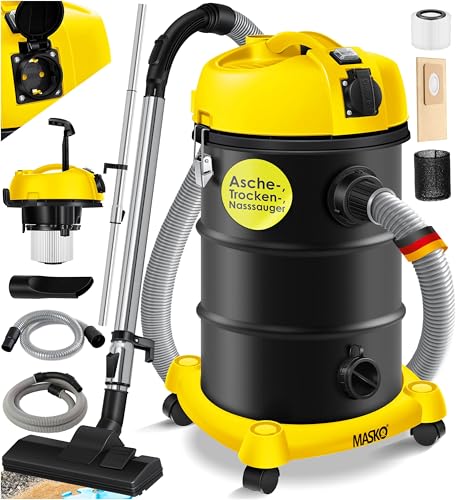
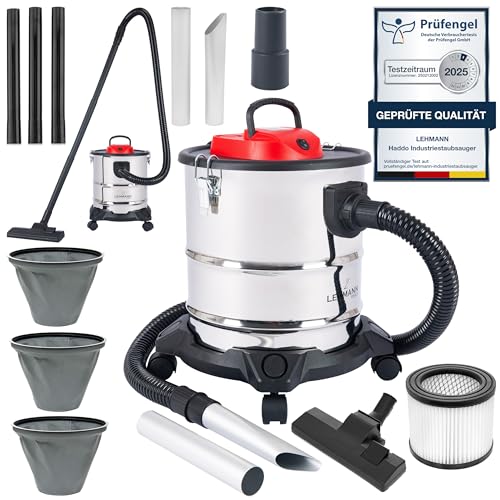
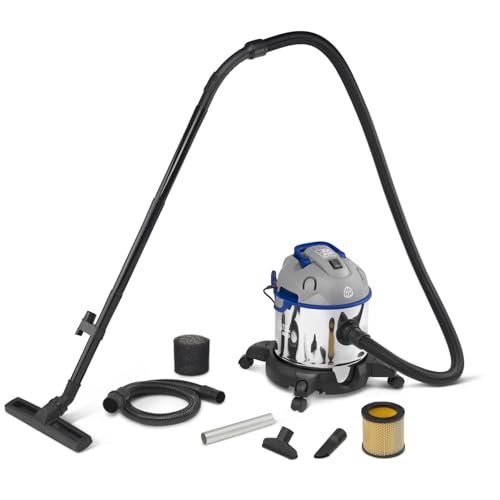
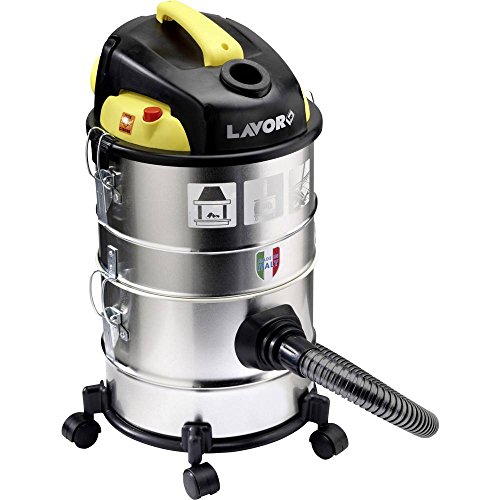
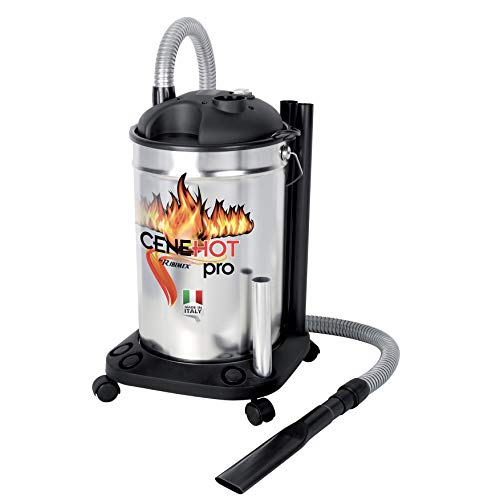
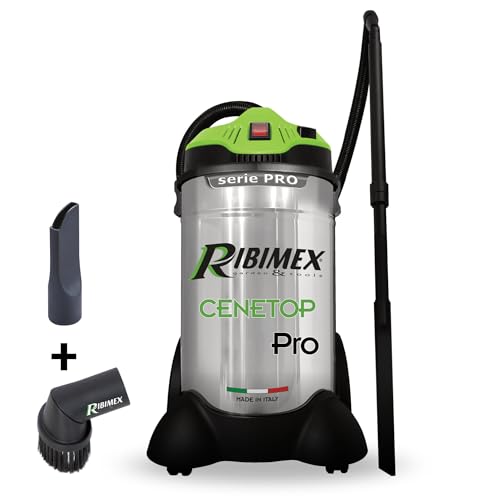
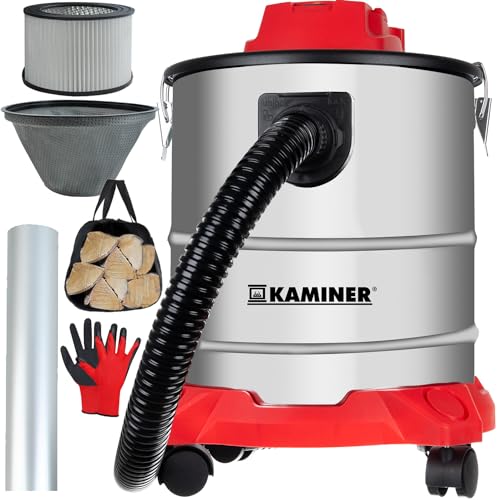
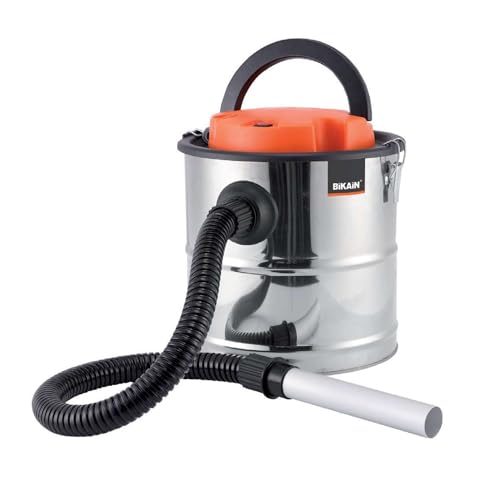
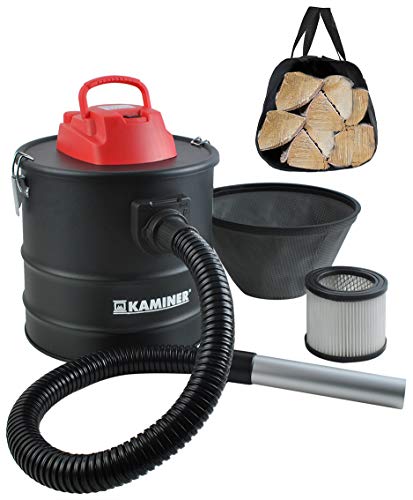
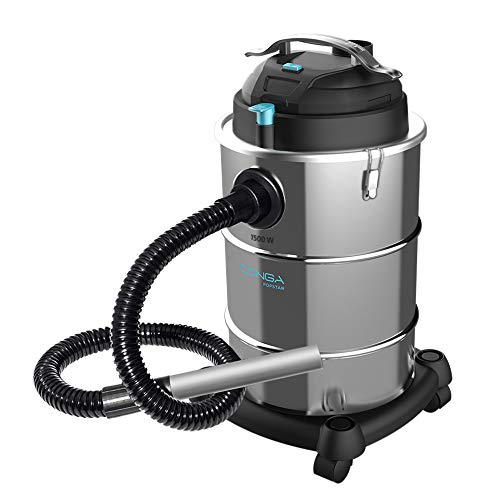
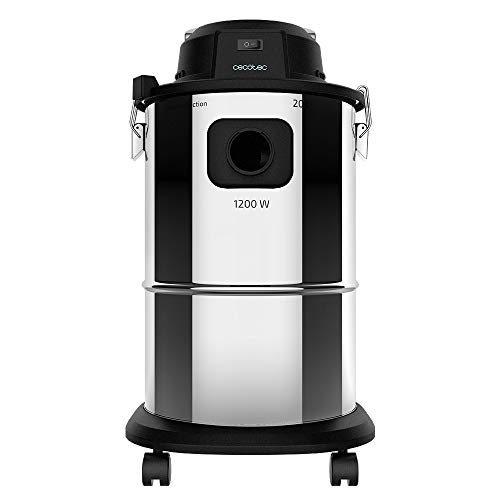
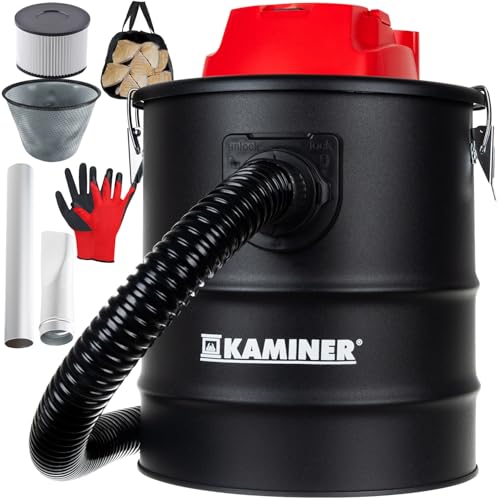
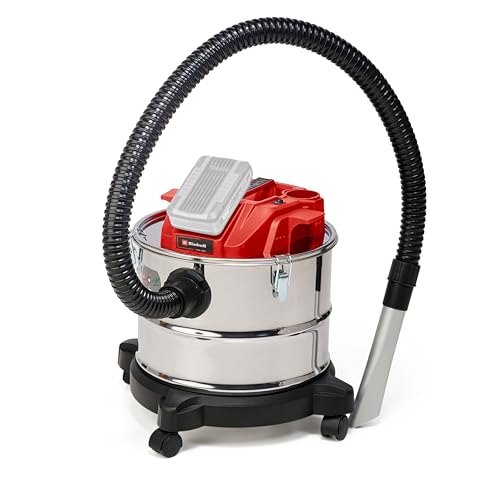
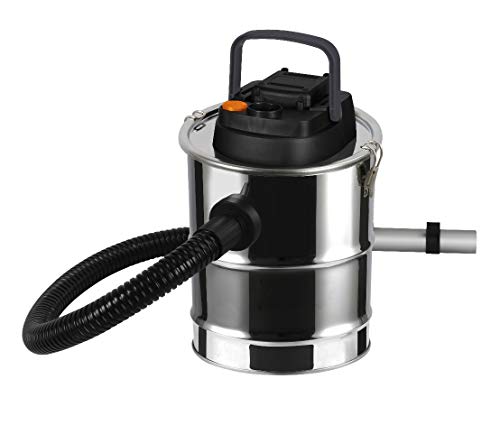
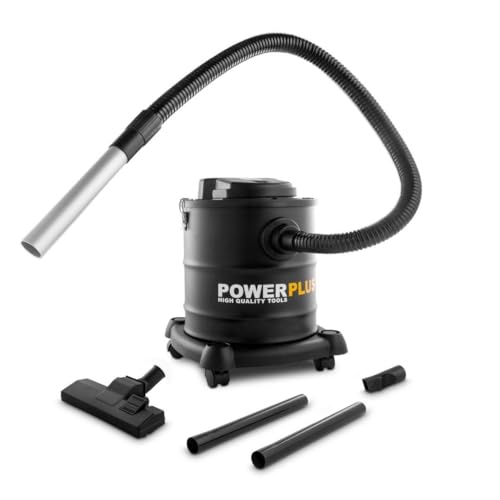
Généralement non : un aspirateur à cendres ne doit pas aspirer de cendres chaudes, sauf si ses instructions précises autorisent explicitement la température mesurée. Les cuves et flexibles métalliques résistent à l'abrasion et à une chaleur occasionnelle, mais ne rendent pas les braises incandescentes, les charbons rouges ou les poches de chaleur cachées sûrs pour le filtre, le moteur, la batterie ou les matériaux environnants.
Considérez un guide sur les cendres chaudes comme une question de sécurité liée à la chaleur résiduelle, et non comme une autorisation d'aspirer un feu actif. Un produit peut annoncer des composants résistants à la chaleur tout en exigeant que les cendres refroidissent sous un seuil précis. Si la notice manque, est ambiguë ou contradictoire, appliquez la règle prudente et attendez le refroidissement complet.
Avant le nettoyage, éteignez l'appareil, séparez les braises visibles avec un outil métallique et inspectez le lit de cendres. N'utilisez jamais un aspirateur domestique ordinaire à la place d'un appareil spécialisé et ne comptez jamais sur un embout métallique seul pour rendre des débris chauds sûrs.
Que signifient concrètement les limites de température des cendres indiquées par le fabricant ?
Une limite de température du fabricant est une limite supérieure stricte pour une condition d'essai précise, et non une température de fonctionnement cible. Elle peut concerner les cendres entrant dans le flexible, les matières présentes dans la cuve ou une utilisation de courte durée ; les instructions associées sont donc aussi importantes que le chiffre.
Ne transposez pas une limite de 40 °C d'une marque à l'autre et ne supposez pas qu'une cuve métallique augmente la limite. Un filtre chargé, un flexible bouché, un joint endommagé ou une batterie peuvent se comporter différemment d'une machine vide testée. Si le produit ne fournit pas de limite mesurable, attendez que les cendres soient complètement froides au lieu d'estimer leur température à la couleur ou au toucher.
Combien de temps les cendres doivent-elles refroidir avant d'être aspirées ?
Il n'existe pas de durée universelle de refroidissement des cendres, car la quantité, le combustible, le débit d'air, l'isolation et la conception de l'appareil influencent la persistance de la chaleur. Une couche peu épaisse dans le tiroir d'un petit poêle à granulés peut refroidir plus vite qu'un lit profond dans une cheminée, mais aucun des deux cas ne doit être jugé au seul temps écoulé.
Éteignez l'appareil et cessez d'ajouter du combustible. Étalez prudemment les cendres avec un outil métallique pour révéler les points chauds cachés et éloignez les matières combustibles pendant le refroidissement. Ne remuez pas vigoureusement si des étincelles ou des morceaux incandescents sont encore visibles.
N'utilisez l'aspirateur que lorsque les cendres sont sous la température exacte autorisée par la notice, ou complètement froides si aucune limite mesurable n'est fournie. Une surface grise peut cacher de la chaleur en dessous ; une odeur chaude, de la fumée ou des crépitements sont des raisons d'attendre davantage.
Après le nettoyage, videz la cuve à l'extérieur dans un récipient incombustible adapté et surveillez-la avant l'élimination. La chaleur résiduelle peut rester dangereuse après l'arrêt de l'aspiration, surtout lorsque des cendres fines isolent une petite braise.